

News & Information
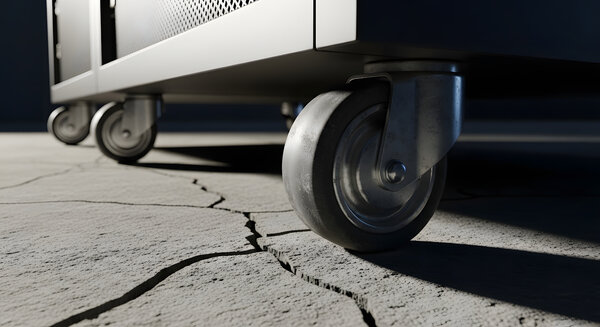
Best Casters for Rough and Uneven Surfaces (and Why It Matters)
We can’t always operate carts on a perfectly smooth floor. In manufacturing facilities like warehouses and loading areas, equipment may need to travel across cracked concrete, thresholds, debris or other uneven surfaces. Unfortunately, that’s only the beginning. The...
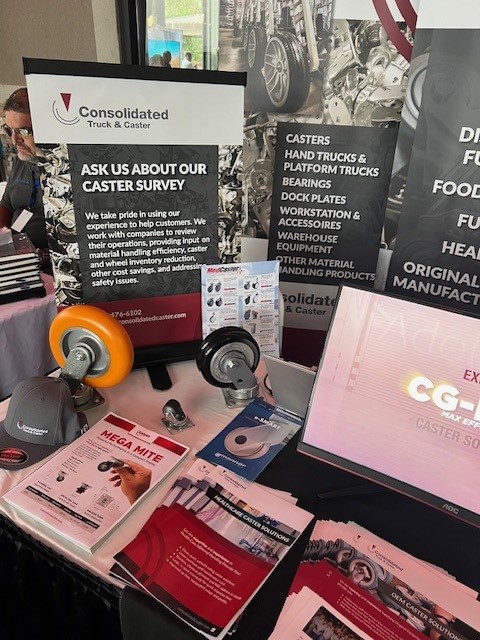
Polyurethane vs Rubber Casters: Which Should You Choose?
Choosing between polyurethane and rubber casters depends on the demands of your facility. Polyurethane caster wheels offer higher load capacity and better resistance to grease, oil, cutting and abrasive wear. Rubber casters provide better cushioning, quieter operation...
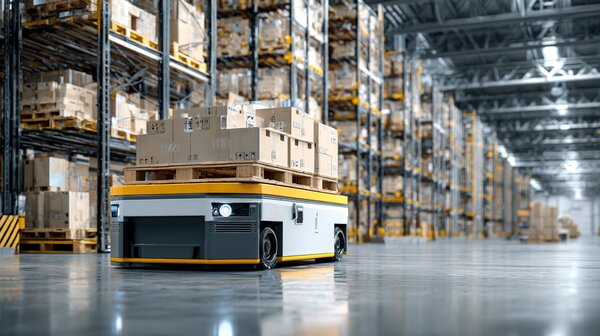
Innovations Driving the Future of Caster Wheel and Fork Design
Industrial caster wheels and forks may seem like simple components, but advances in their design are making a significant impact on safety, efficiency and material handling. From ergonomic features and higher load capacities to quieter operation and more durable...
The Importance of casters in automated guided vehicle performance
Warehouses, manufacturing facilities and distribution centers continue to invest in automation to improve productivity and keep pace with growing demand. Automated Guided Vehicles (AGVs) have become an important part of these operations, moving materials efficiently...
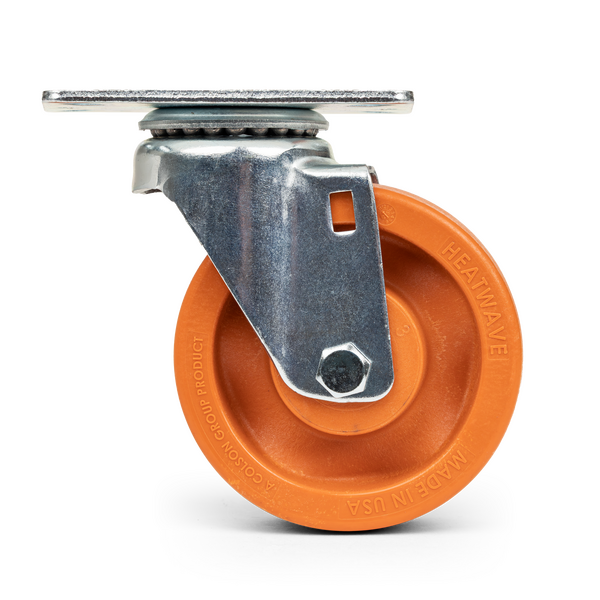
Heatwave Wheels and Casters Built for High-Heat Environments
Colson Group has introduced a new product called Heatwave, a new line of high-temperature wheels and casters engineered for demanding industrial and food service environments. Designed to withstand temperatures ranging from -20°F to 450°F, these durable casters are...
Top Features to look for in medical-grade casters
Selecting a caster can be difficult, and it’s often overlooked. In the medical field, casters are the key to making mobile equipment, medical carts and even patient beds move smoothly. High-quality casters help ensure safe, efficient movement for both patients and...
Caster Load Ratings Explained: What Every Facility Manager Should Know
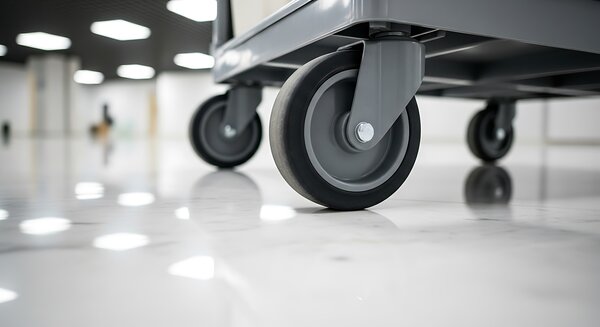
Casters may seem like a small part of your equipment, but they have a big impact on how efficiently your operation runs. When carts don’t roll properly, wheels fail too soon or equipment becomes difficult to move, the problem often traces back to one thing: load...
Why a Caster Survey Can Save You Time, Money and Headaches
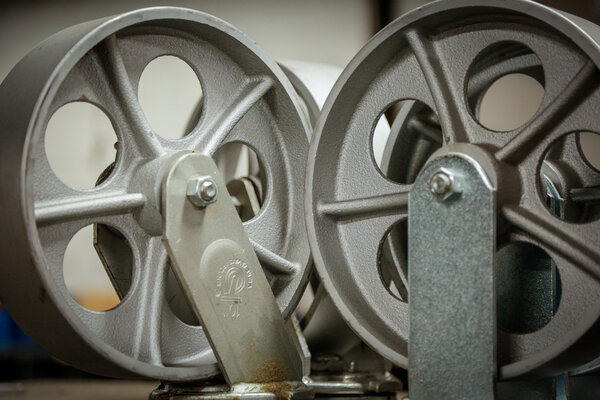
Choosing the right caster isn’t always as simple as picking a size and load rating. Floor conditions, environment, movement patterns and weight distribution all play a role, and getting any of them wrong can lead to premature wear, poor performance or even safety...
Choosing Casters For cold-storage environments
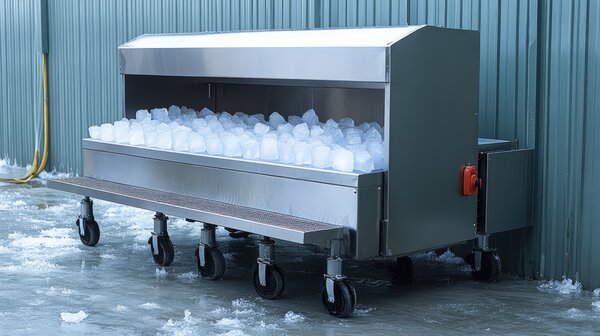
Cold-storage areas are tough on equipment. Freezers, coolers and refrigerated rooms put constant stress on carts and racks, and casters usually feel it first. Wheels that roll smoothly in a normal warehouse can stiffen, crack or stop turning altogether once...
New Year Equipment Audit: How to Assess Your Casters and Hand Trucks
As the year winds down, most facilities take time to reorganize and reset. It’s also the ideal moment to look closely at the equipment that keeps things moving, especially the casters and hand trucks that take a daily beating but rarely get more than a brief glance. A...